What better way to spend a sunny day then in Hyde Park
Location – About 1½ (2.4 kilometres) west of Charing Cross
Transport – North side: Queensway, Lancaster Gate and Marble Arch Underground stations (Central Line); south side: Knightsbridge and Hyde Park Corner Underground stations (Piccadilly line). Buses: Bayswater Road 10; 12; 94; Knightsbridge: 9; 10; 19 22; 52; 137; Park Lane: 2; 36; 137. There is an underground car park on Park Lane.
Admission – Open daily dawn-dusk. Admission is free.
 Seasonal features – The Flower Gardes in spring and summer; the Dell in winter and spring; autumn tree colour.
The park dates back to 1536, but instead of stating the history this post will focus on the Hyde Park walk. (Start/finish Marble Arch | Time allow 1¼).
Marble Arch was erected at Hyde Park corner in 1851, as the main gateway to the park, but in 1918 it was severed from the park by traffic, and today it is outside the park boundary, isolated on one of the busiest traffic roundabouts in London. Reach it via subways 4 and 5 from Park Lane or from Marble Arch Underground Station, emerging at Exit 3. A recent scheme for an underpass to bury the traffic extends from Marble Arch to Hyde Park Corner, so creating a piazza to rival St Marks Square in Venice, with the arch as its centre piece.
The arch was to have been the main gateway to a remodelled Buckingham Palace and a memorial to the victories in the wars against Nepoleon, but when finished it was said to be too narrow for the state coach. When Queen Victoria had the front of the palace rebuilt, it was moved to this sport. Designed in 1827 by John Nash, with decoration by artists such as John Flaxman, Marble Arch is a dream of pure white Italian Carrara marble, styled on the triumphal Arch of Constantine in Rome. It originally carried a statue of George IV rising from horseback without the aid of stirrups, which is now in Trafalgar Square. The arch is hollow and housed, a tiny reporting police station in the days before radios. There are gatekeepers’ rooms above, unused for many years now, although there have been recent proposals to let them out as an apartment. They have twisting staircases 2 feed (60 centimetres) wide, vault brick ceilings, Regency fireplaces and portholes as windows.
The early 20th century bronze gates open onto what is believed may have been the site of the Tyburn Tree, the public gallows for two centuries, until they were moved to Newgate in 1783. There is a memorial stone on the floor of the small traffic island at the mouth of the Edgware Road. Condemned prisoners were transported to the gallows by cart, on which they stood for the noose to be put around their necks, then the cart was whipped away. Up to eight unfortunates could be hanged at a time on each of the gallows’ three sides. Most were not hardened criminals but impoverished citizens who were down on their luck. The laws of the time were a morass: to take fruit from a neighbour’s tree was a minor crime, but to steal fruit already picked was a hanging offence. Hanging days were like public holidays, with crowds of spectators avid for morbid entertainment. As a joke, the highwayman Jonathan Wilds picked the chaplins pocket of a corkscrew, which he held while dying. This part of London is a haunted place.
 If you are starting from Kew Bridge Railway Station, turn right and at the traffic lights cross to Kew Bridge and join the riverside path to go upstream (right) towards Richmond – a 10-minute walk at the most. Alternatively, it takes about 15 minutes to reach the river from Kew Gardens Underground and Railway Station: cross the area in front of the station obliquely right to head down Station Approach. Turn right at the end down Leyborne Park (the alley which runs parallel is rather dark and grubby). Turn left at busy
 The stone bridge is an original from 1936 and if you cross it, you can pass through a gate to a viewing platform, with views across central and south London. There is, however, a more interesting viewing post later on. Continue along the path to the lawn, where there is a remarkable sight. Here you could be forgiven for thinking that you were following a woodland stream deep in the countryside. The effect is magical. There are splendid, mature trees here – English oaks, a North American red oak in the centre, limes – as well as borders busy with British woodland hedgerow natives: Bluebells in spring, yellow flag iris, bright red lobelia, amongst others. Odd pieces of pottery and stone adorn the riverbank, while in the water or on the streams edge a variety of ducks potter about, among them wood duck, mandarin, white-cheeked pintail, ringed teal and pochard. In among them are mallards that have flown in and decided to stay – and who could blame them? This must be the most exclusive pond in the whole of London.
 In 1937 the figure of a man was seen limping about the fourth floor of the building. He wore old-fashioned clothes and sported fine, twirling whiskers. So real did he look that witnesses took him to be a senior member of management until, to their astonishment, he began to dissolve before their eyes. Other ghosts seen here have included a spectral waiter who wanders the corridors, and a musician who appears lost. When people approach to help, he responds by shaking his head and vanishing.
 The old road to Oxford (now Oxford Street) runs along what is now the northern extremity of the district, and it passes close by the parish church of St Giles, patron saint of lepers. For centuries church officials paid for a last drink at the Resurrection Gate inn for the condemned who passed the church and pub as they took their journey by cart from Newgate Prison in the east to the gallow at Tyburn (now Marble Arch) in the west.
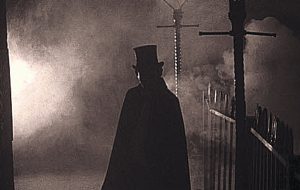 In the late 1990s live-in staff, whose bedrooms were on the upper floors of the building, began to complain of alarming encounters with a ghostly man dressed in Victorian clothing. They, were often awoken by an uneasy feeling in the dead of night, and would find his phantom form lying beside them on the bed! As soon as they cried out in shock, the figure disappeared. Staff with no previous knowledge of his ghost would often report seeing him, and their descriptions would always be the same. Nobody had any idea who he was and those who had occasion to live on the premises, learnt to accept him as the pubs oldest resident.